
Showing posts with label COMPRESSORS. Show all posts

Monday, May 10, 2010

Hydraulic fracking spells disaster

Workers World
May 6, 2010

Despite industry claims that the rapidly expanding practice of hydraulic fracturing to extract natural gas from deep underground shale layers is “perfectly safe,” on April 15 the Pennsylvania Department of Environmental Protection fined Houston-based Cabot Oil and Gas $240,000 for causing the contamination of 14 residential water wells in Dimock Township, Pa.

The company was also ordered to plug three gas wells it was operating in the town, which sits atop the Marcellus Shale formation, and was banned from drilling in the area. One water well in Dimock exploded last year, and DEP inspectors witnessed gas bubbling up at the base of eight other wells in March. Despite the ruling, Cabot has plans to drill 100 new wells in Dimock this year.

Independent newsroom ProPublica has reported on 50 similar cases across Pennsylvania, including reports of fish kills, water and air pollution, fires, out-of-control flaring, human illnesses and animal deaths.

The concern over the safety of hydraulic fracturing has prompted calls for a moratorium on drilling in Pennsylvania. In the process, often referred to as fracking, 2 to 9 millions of gallons of water, mixed with sand and up to 250 chemicals, are pushed into underground shale layers to release natural gas.

In January the Pennsylvania state Legislature opened up 32,000 additional acres of state forest land to be leased for drilling. As a result, 692,000 acres of the 2.1 million acres of state forest land are now open for gas wells. During a recent push to expand the practice into the Delaware River basin, the Philadelphia City Council was pressured to pass a resolution on March 25 calling for an environmental impact statement before any new permits are issued.

Fracking has been in use for a number of years throughout the U.S., particularly in the Southwest. Five natural gas sites border the town of Dish, Texas, in a quarter-mile complex. In nearby Fort Worth, Texas, 1,400 wells have been drilled in urban areas, many near schools and residential centers.

Speaking at a meeting at Temple University’s Department of Civil and Environmental Engineering on April 16, Dish Mayor Calvin Tillman described how carcinogenic air pollution from natural gas drilling has damaged the quality of life in his town of 180 residents. The town sits atop the Barnett Shale, a geological formation similar to the Marcellus Shale.

Using his own money, Tillman has been traveling to Pennsylvania and New York to warn about the dangers of the gas boom. In his small town, trees are dying on a 30-acre farm that adjoins a labyrinth of small underground pipelines used to transport fuel from the fracking wells to outside markets. Horses have also fallen ill. Residents report problems with frequent nausea, severe headaches, breathing difficulties, chronic eye irritation, allergies, throat irritations and even brain disorders.

When Texas state inspectors, who are usually linked to the drilling companies, reported they could not find any problem with the wells, Dish town officials hired an environmental firm to collect one-day air samples near the compressors. Their study found high levels of 15 chemicals, including benzene, a known carcinogen. As a result the Texas Commission on Environmental Quality conducted air studies at 94 sites in the region. They found two sites with very high levels of benzene and 19 others with levels that raised concern.

In April, blood and urine testing of 28 adult Dish residents revealed that half the residents had slightly elevated levels of benzene and other contaminants. Four residents tested positive for benzene, including Tillman. Tillman noted that no testing was done on children, pregnant women or the elderly — groups likely to be most susceptible to the contaminants. Tillman’s water also tested positive for traces of styrene, ethyl benzene and xylene.

Growing concern over the danger of fracking has led to a push for legislation in Pennsylvania that would require drillers to disclose chemical ingredients in hydraulic fracturing fluids. Other proposed legislation calls for a moratorium on drilling until environmental impact studies can be performed. Both bills have yet to be passed and face mounting opposition from the natural gas industry.

Nationally, the oil and gas industry won exemption from major provisions of the Safe Drinking Water Act, the Clean Water Act and other federal environmental laws with the passage of the 2005 Energy Bill. The bill’s “Halliburton loophole” protected the company from having to reveal the composition of their fracturing fluid, despite the fact that the list of hazardous substances compiled by the Environmental Protection Agency’s Superfund — the program established to address abandoned hazardous waste sites — includes toxic profiles on benzene, styrene, toluene and other agents known to be in the mix. Efforts are also underway to challenge this legislation.

The EPA announced it will spend $4.4 million to start a study on the impact of fracturing in October, but Dr. Michel Boufadel, director of the Environmental Hydrology and Hydraulics Laboratory at Temple University College of Engineering, expressed concerns that the EPA’s study does not go far enough.

Speaking at the April 16 meeting, Boufadel noted that very few scientific studies on fracking have been conducted by researchers not connected to the drilling industry. He also pointed out that most studies assume that any leak of water contaminated by fracturing fluids would spread horizontally from a holding tank and be detected by ground level monitors.

Boufadel explained that the 250 chemicals contained in the fracturing fluid create “gooey, high density water” — a gel that suspends the sand particles needed to work into cracks in the shale layers. The result is “radioactive water six times more saline than sea water and containing known carcinogens.”

“If you don’t account for this heavy density you would expect water to move outward, but the reality is that it moves down,” Boufadel stressed. “If you only use existing traditional models of monitoring wells at ground level, you won’t detect contamination until it’s too late.”

LINK


Articles copyright 1995-2010 Workers World. Verbatim copying and distribution of this entire article is permitted in any medium without royalty provided this notice is preserved.

DEMAND ACCOUNTABILITY!

Wednesday, April 28, 2010

DEP Responding to Odor Complaints, Analyzing Air Quality in Washington, Greene Counties

Inspectors Sampling to Gauge Possible Impact of Natural Gas Well Operations

COMMONWEALTH OF PENNSYLVANIA
Dept. of Environmental Protection

Commonwealth News Bureau
Room 308, Main Capitol Building
Harrisburg PA., 17120

FOR IMMEDIATE RELEASE
04/28/2010

CONTACT:
Helen Humphreys, Department of Environmental Protection Southwest Regional Office
412-417-7943

PITTSBURGH -- The Department of Environmental Protection is gathering samples this week to analyze air quality in areas near natural gas operations in Washington and Greene counties.

The department’s efforts, which will be conducted in four phases with each phase lasting one week, are intended to isolate the source of odors that have prompted complaints from residents.

“DEP has received complaints about odors that residents believe are emanating from gas well drilling facilities,” said DEP Southwest Regional Director George Jugovic Jr. “We take these concerns very seriously and are working to identify the specific source of these odors. If there is a violation of the commonwealth’s air quality laws, the department will take the appropriate enforcement action.

“The bottom line is that any operation subject to our permitting requirements faces real and enforceable emissions limits that are designed to protect the public’s health,” he added.

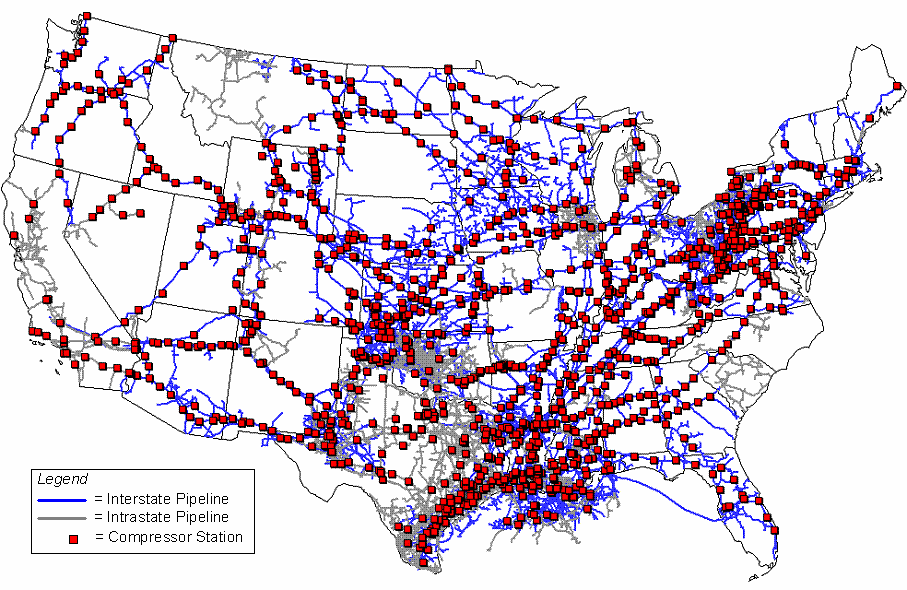
Under the Air Pollution Control Act, any entity operating a source of odors may be fined up to $25,000. In the natural gas industry, compressor stations, which are located along natural gas transmission lines and pressurize gas so that it can be piped across great distances, operate under a general permit that limits pollutants by incorporating best available technologies.

During the first phase of a multi-phase effort, DEP’s Mobile Analytic Unit will collect air samples at a site in Washington County removed from active drilling and compare the results with samples taken near active drilling sites in Greene and Washington counties. DEP will also analyze air samples collected over a 24-hour period using 12 canisters, some of which will be placed on the properties of residents who have complained of odors.

Phases two through four will be conducted within three miles downwind of sites related to gas well drilling in the Marcellus Shale, including active drill sites, compressor stations, drip tanks, well heads, gas well flares and wastewater impoundments.

All sampling will be completed by June.

Samples will be analyzed for volatile organic compounds, ozone, nitrogen oxides, hydrogen sulfide and carbon monoxide.

Canister samples will be analyzed at the DEP laboratory in Harrisburg.

For more information, visit www.depweb.state.pa.us or call 412-442-4000.

DEMAND ACCOUNTABILITY!


Thursday, April 1, 2010

DEP Fines Steckman Ridge $22,000 for Air, Water Quality Violations

Malfunctioning Compressor Discharged Industrial Oil to Surrounding Properties
(Splashdown calculates the fine at less than $2.72/lb. of contaminating substances... cheaper than chop meat)*

COMMONWEALTH OF PENNSYLVANIA
Dept. of Environmental Protection

Commonwealth News Bureau
Room 308, Main Capitol Building
Harrisburg PA., 17120

FOR IMMEDIATE RELEASE
03/31/2010

CONTACT:
John Repetz, Department of Environmental Protection South-central Regional Office
717-787-1323

HARRISBURG -- The Department of Environmental Protection has assessed a $22,000 penalty against Steckman Ridge LP for two unpermitted oil discharges in August and October 2009 at the Clearville Quarles Compressor Station in Monroe Township, Bedford County.

During compressor shutdowns on Aug. 23 and Oct. 26, natural gas was vented into the atmosphere. Malfunctions allowed lubricating oil to mix with the natural gas as it was vented and the oil was atomized into the atmosphere. The oil emissions reached surrounding properties and a nearby pond, which constituted violations of the company’s air plan approval, the Air Pollution Control Act, and Clean Streams Law. The company also failed to notify DEP of the incidents as required by department regulations.

“While both incidents were accidental, the discharges violated environmental law,” said DEP South-central Regional Director Rachel Diamond. “By waiting for up to two days to report the incidents to DEP, the company failed to act in a responsible manner protective of the public’s health and safety and the environment.”

The company hired an environmental firm to cleanup the affected neighboring sites and pond, and to test a local drinking water well to determine if it had been contaminated. All cleanup activities have been completed.

DEP issued notices of violation to Steckman Ridge for both incidents.

For more information, visit www.depweb.state.pa.us, or call 717-705-4700.

Splashdown Flashback:

Thursday, February 11, 2010 report of the compressor station mishap:
Natural Gas Compressor Station Coats Farmland in Used Gear Oil
by NastassjaNoell | 02.10.2010
PhillyIMC


Spectra Energy's Steckman Ridge Natural Gas Compressor Station sprayed up to 1,629 pounds of used lubricating oil onto fertile farmland and residential property in rural Pennsylvania; crops had to be burned to prevent toxic contamination of consumers. The Pennsylvania Department of Environmental Protection has misinformed residents for the past six months that the oil residents found coating their blueberries, tomatoes, hay fields is non-toxic Omala Oil RL 320, but laboratory tests indicate the oil is definitively *not* Omala Oil RL 320.

A contamination report recently obtained by Philadelphia Indymedia states that up to 1,629 pounds of used gear-lubricating oil were spilled onto residences and farm fields in Bedford County, Pennsylvania this past August. Despite the presence of this report in Pennsylvania Department of Environmental Protection (DEP) files, officials are maintaining to residents and the press that only 20 gallons of gear oil was released, additionally misleading the public to believe that the oil is non-toxic Omala Oil RL 320.

*In addition to the 1,629 pounds of used lubricating oil ... 6,460 pounds of methane (including 1,151 pounds of volatile organic compounds) were sprayed into the air and estimated to have landed up to one and a half miles from the plant, coating a very fertile agricultural, fishing and hunting region of Pennsylvania with potentially toxic industrial gear oil.

Read the complete report HERE.

DEMAND ACCOUNTABILITY!

Wednesday, March 17, 2010

Gas pipelines, compressors concern some landowners

Environmental, economic issues cited
By David Falchek (Staff Writer)
ithacajournal.com
Published: March 17, 2010


Yeah, you've heard that before, but this time it's about pipelines. Without a sprawling circulatory system to draw gas from thousands of wells and channel it to paying customers, the multibillion-dollar industry sprouting over the Marcellus Shale would not be worth a penny.
While the infrastructure may look beautiful to the burgeoning gas industry, advocates and some landowners find the vision blossoming in Broome County less than attractive. A point of dissatisfaction, so far, involves a proposal by Laser Midstream, of Houston, for a 30-mile pipeline connecting well fields in Susquehanna County, Pa., to the Millennium Pipeline - a main artery running through Broome County that serves major markets in the Northeast.

The project would include a compressor station on 20 acres of unspecified Windsor property near the Millennium junction, with three 1,380-horsepower compressors, equipment to purify gas and tanks to collect waste.

Landowner coalitions that favor natural gas development have opposed the Laser Midstream proposal because it brings Pennsylvania gas into their territory. That, they say, could reduce capacity to move gas they hope to someday be flowing from under their land.

Others oppose the project on environmental grounds. Compressor stations, they say, will produce emissions and noise that will mar the landscape and possibly create health risks.

“Every operation to get this clean gas they brag about is dirty,” said Victoria Switzer, an environmentalist and resident of Dimock, Pa., where Marcellus-related drilling is intensifying. Stationary equipment concentrated on parcels to drill, frack and pump gas produces round-the-clock exhaust that fouls the air, she said.

For the complete report, CLICK HERE.

DEMAND ACCOUNTABILITY!

Sunday, February 21, 2010

Dish, Texas mayor shares cautionary tale about natural gas drilling

By Jason Whong •jwhong@gannett.com
stargazette.com
February 20, 2010

ELMIRA HEIGHTS -- Calvin Tillman, mayor of Dish, Texas, says New York is in a unique position when it comes to getting natural gas.

"What I'm proposing is you look at the negative impacts we've had and do it better here," Tillman told a crowd that packed the Heights Theater on Saturday morning for his address.

Tillman says he does not oppose drilling for natural gas. Rather, he supports using gas production and distribution methods that have minimal environmental impact.

"We have air quality issues in Dish," Tillman said before the presentation. "There's a lot of things that can be put in place ... that would eliminate a lot of those problems."

Tillman said the older technology compressor stations in and around Dish, which compress natural gas and remove impurities for transport through pipelines, would pollute less if they were updated.

...

A recent environmental study of Dish shows excessive levels of benzene and other carcinogens and neurotixins in the air, as well as chemicals associated with natural gas production in the water.

Tillman told reporters what he would do with natural gas in Texas if he could do it all over again:

"I would probably do what New York's doing and I would frankly just slow things down quite a bit and think about things and make sure that everything was done in a responsible, respectful and safe manner," Tillman said.

"We did the 'ready, fire, aim.' We didn't take our time and look at the whole process."

Tillman had many suggestions for what New York and Pennsylvania might consider as gas exploration increases.

Tillman said New York and Pennsylvania are the only two of the 32 states that have had gas exploration but do not charge a severance tax -- which measures the gas and taxes it when it is brought above ground.

Tillman said such a tax could generate funds to pay for road maintenance and hire regulators to watch the industry. Gov. David Paterson proposed such a tax this year.

Tillman recommended strong environmental regulations that mandate the latest green technology in all aspects of drilling and transporting natural gas.

He said stricter regulations likely will not chase away the gas companies.

Tillman also recommended taking the power to permit drilling away from the state, favoring local decision-makers instead.

"The further you go up in government, the less attached officials are," Tillman said.

"Your local officials don't need to ask for (permitting authority); they need to demand it."

...

Noel Sylvester, 62, of Cameron Mills, who has a gas lease agreement with Fortuna Energy, said he wanted to hear about Tillman's experiences in person.

Sylvester said he doesn't oppose drilling for natural gas if it can be done cleanly.

"If we think there's going to be an impact in the next generation or two, there's something wrong with the process. It should be cleaner than that and better than that."

Sylvester said he makes about $500 a year from his gas lease.

CLICK HERE for link to complete article.

DEMAND ACCOUNTABILITY!

Thursday, February 11, 2010

Natural Gas Compressor Station Coats Farmland in Used Gear Oil

by Spectra Energy's Steckman Ridge Natural Gas Compressor Station sprayed up to 1,629 pounds of used lubricating oil onto fertile farmland and residential property in rural Pennsylvania; crops had to be burned to prevent toxic contamination of consumers. The Pennsylvania Department of Environmental Protection has been misinformed residents for the past six months that the oil residents found coating their blueberries, tomatoes, hay fields. is non-toxic Omala Oil RL 320, but laboratory tests indicate the oil is definitively *not* Omala Oil RL 320.

diretywater2.JPG
Spring water from Clearville in December, residents report it smells like motor oil (photo by Angel Smith)

A contamination report recently obtained by Philadelphia Indymedia states that up to 1,629 pounds of used gear-lubricating oil were spilled onto residences and farm fields in Bedford County, Pennsylvania this past August. Despite the presence of this report in Pennsylvania Department of Environmental Protection (DEP) files, officials are maintaining to residents and the press that only 20 gallons of gear oil was released, additionally misleading the public to believe that the oil is non-toxic Omala Oil RL 320.

S.R.Compressor-complex-m-bernard.jpg

The Steckman Ridge Natural Gas Compressor Plant, "a small city" (photo courtesy of SpectraEnergy Watch Photo © 2009 by M. P. Benard)

On August 23, Spectra Energy's Steckman Ridge natural gas compressor station on Rock Hill Church road experienced an "emergency shutdown," 1,629 pounds of lubricating oil and 6,460 pounds of methane (including 1,151 pounds of volatile organic compounds) were sprayed into the air and estimated to have landed up to one and a half miles from the plant, coating a very fertile agricultural, fishing and hunting region of Pennsylvania with potentially toxic industrial gear oil.

"Wayne and I were sitting out on the back porch that Sunday and then we heard a big bang but didn't see anything flying out of the sky," said Angel Smith who lives half a mile from Spectra's compressor station. "The next day, a neighbour called saying that his fields were covered with oil so I went down and videotaped that. I also found that my fields were covered with oil too."

Within a week after the equipment failure, Spectra Energy issued reports stating that residents of Monroe and Clearville Townships in Pennsylvania should wash the oil off of their crops before consumption. Local Web sites such as Spectra Energy Watch and Clearville Times expressed outrage that their crops were destroyed, water contaminated and livestock affected, with little concern from agents at the DEP. Birth defects have been noted in livestock such as domesticated geese. Currently unknown are the future diseases or cancers which may afflict residents as the chemicals' mutations of the human cells eventually show their harmful results many years after exposure.

DEP Agents Misinform Residents

Officials from the DEP have stated repeatedly to residents and to Indymedia that the lubricating oil dumped over the Clearville valley by Spectra Enery Steckman Ridge Compressor Station is not a concern to human health, falsely claiming that the oil is a non-toxic substance called Omala Oil RL 320.

Laboratory reports obtained from the DEP show that tests of the spilled lubricating oil indicate the oil is not Omala Oil RL 320. Although Omala Oil RL 320 was shown to be similar to the spilled oil, the report noted significant differences between the Omala Oil RL 320 and the spilled oil.

Wilma Subra, a chemist who has worked with the federal Environmental Protection Agency (EPA) on several hazardous waste projects, looked over the oil analysis lab report and confirmed that the report shows that the used oil contaminating nearby farm fields is not Omala Oil RL 320.

"The oil in the used material was not the same as the reference sample. The used material had one chromatographic pattern while the reference oil had two chromatographic patterns," said Dr. Subra in an email to me. Dr. Subra also stated that if the used oil tested is indeed a used form of Omala Oil RL 320, the MSDS (Material Safety Data Sheet) indicate that such used oil may contain harmful impurities like toxic heavy metals, volatile and semi-volatile organic compounds. The MSDS sheet also stresses that "ALL used oil be handled with caution and skin contact avoided as far as possible" (capitalization retained from the original MSDS).

"According to the MSDS -- inhalation is not expected to be a primary route of exposure -- under normal conditions of use," explained Dr. Subra. "However, the material was released from the compressor station as a mist. The oil was airborne for thousands of feet from the facility and thus could have been inhaled by individuals and animals in the area of impact. Skin and eye contact was also possible due to the airborne oil."

Despite laboratory test reports which clearly demonstrate that spilled used oil was not the non-toxic Omala Oil RL 320, Pennsylvania officials (such as Lynn Langer, Assistant Regional Director for the DEP's Southcentral Regional Office) have consistently implied to residents that the spilled oil was non-toxic Omala Oil RL 320. These assertions are unfounded and dangerous for nearby residents who have no means to determine what precautionary measures they must take to protect their health and their farms. Although more extensive tests were later performed showing the used oil sample tested negative for volatile and semi-volatile organic compounds, documents obtained from the DEP show that Spectra Energy failed to request the lab test for toxic heavy metals. The report also indicates the sample of spilled oil was taken by a Spectra employee, not a qualified independent sample collector, putting the validity of the sample and applicability of test results into question.

Any well-trained environmental scientist with a few spare minutes to read through the reports would notice quickly that the used industrial oil needed to be tested for heavy metals in order to safeguard the public health, and that the public needs to be informed of all test results promptly.

Citizens Pick Up the Pieces

The emergency shut-down in August was one of four equipment malfunctions that have occurred since the natural gas compressor station became operational last summer. Residents near other compressor stations which process raw gas frequently complain about the chronic and extremely loud "jet like noises" which industry officials admit are a normal part of plant operations. Chronic loud noise can cause birth defects, psychological problems and marked behavioral changes in young children as well as cardiovascular disease and vertigo in adults.

The DEP cited Spectra Energy as violating the federal Air Pollution Control Act and the Clean Streams Law, yet according to facility information provided by the DEP's e-facts website the agency still has not taken enforcement action or given penalties for these violations. Spectra Energy also received a Notice of Violation for not reporting the incident by telephone to the DEP within two hours and not submitting a written report within three days, as required by law. The equipment malfunction was reported to the DEP by terrified residents.

At a MarkWest compressor station in nearby Washington County, company officials also failed to notify the DEP of equipment problems until residents were already complaining to the DEP. Such situations make one wonder what happens when residents aren't watching and listening?

Craig Lambeth, a DEP oil and gas official, supports citizens doing the monitoring work for the DEP. Last fall at a public meeting hosted by the grassroots environmental protection group R.E.S.C.U.E. Northeast Pennsylvania, Mr. Lambeth told the 128 attendents that residents "should be the eyes and ears of the DEP." He stated that there is no possibility for the DEP to monitor every active gas site every day, as such monitoring would be prohibitively expensive to the gas industry and taxpayers.

Although the DEP recently announced they will be hiring an additional 68 gas well inspectors, the current oil and gas regulations promulgated by the DEP are weak. The rate of gas wells being drilled and fracked is rapidly accelerating; the new addition of employees will merely allow the DEP to monitor more wells, not improve the quality of regulation or increase the frequency of monitoring visits. Existing regulations and agency procedures must be changed in order to better protect the environment, until then, the daily responsibility of monitoring gas well activities, toxic waste water trucks and hazardous waste pits will continue to fall into the hands of residents who are not trained or equipped in a way that enables them to prevent catastrophes.

At the meeting in Forest City, when a resident asked Lambeth, "How do we protect ourselves from the drillers? Why isn't it the other way around? The drillers are not proving that its safe and we're depending on you [the DEP] [to protect us]." Mr. Lambeth replied, "You need to be the eyes in the woods watching." To which the resident responded with frustration, "I'd like a little more control than that."

An interview with chemist Dr. Wilma Subra about natural gas compressor stations and gas production can be heard at http://radio4all.net/index.php/program/36650

Documents referred to in this article can be accessed from http://www.archive.org/details/Spectra-Energy-Steckman-Ridge-Natural-Gas-Compressor-Station-files

DEMAND ACCOUNTABILITY!

Friday, February 5, 2010

GAS WELLS: PROBLEMS ALL AROUND

By Beth Little
West Virginia Highlands Voice
The blog of the West Virginia Highlands Conservancy

Beyond all the other environmental issues involved with horizontal gas wells on Marcellus Shale, such as water pollution from fracking and air pollution from heavy truck traffic, remain the serious air quality issues related to compressor stations and flaring.

This may help explain reports of gas odors from the area around New Milton, west of Clarksburg. Natural gas (methane) is odorless, but odor is added to serve as a warning in case of leaks.

(Most of this information is from http://www.marcellus-shale.us)

Compressor Stations

Once gas wells are producing, next come the gas lines, and compressor stations to move the gas. Whether it’s the adverse effects of one compressor station, or the cumulative effects of many, the town of Dish, Texas has become the poster child for these air quality issues.

One university expert, Al Armendariz, whose study was backed by Texas state officials, has indicated that air pollution created by Barnett Shale gas drilling and production in Texas is equivalent to all the air pollution created by vehicular traffic in Texas. Similar reports out of Colorado have shown a link between gas production activities and haze.

The air quality issue in Dish became severe enough that the town commissioned a thorough study of local air quality. You may listen to NPR story on air quality and noise issues in Dish, Texas:

http://www.npr.org/templates/player/mediaPlayer.html?action=1&t=1&islist=false&id=120043996&m=120043986

Methane Leaks

There is also the possiblity of methane leaks. Below is a photo showing such a link. To see a video of a compression station in Texas, to http://www.youtube.com/watch?v=tDMeDhxqkbI First you see what looks like clear blue sky taken with regular camera; then you see what was taken with FLIR camera:

Flaring a Gas Well

After a Marcellus gas well is drilled and hydraulically fractured, open flaring is often used to test production of the well. The EPA and WV DEP do not currently monitor or enforce any air quality regulations around Marcellus Shale natural gas wells and facilities, since drillers are exempt from the Clean Air Act. Important environmental oversight was removed by Congress in the 2005 Federal Energy Appropriations Bill, which also includes additional exemptions from the Clean Water Act, Safe Drinking Water Act and CERCLA.

To the naked eye, no emissions from an oil storage tank are visible. But viewed with an infrared lens, escaping methane is evident.

To the naked eye, no emissions from an oil storage tank are visible. But viewed with an infrared lens, escaping methane is evident.

Photographs by the U.S. Environmental Protection Agency

A large number of pollutants are released into the air during the flaring process, making it an undesirable practice. Included in these airborne pollutants are the chemicals used to frac the well, as well as any of 5-dozen other pollutants including the following: acetalhyde, acrolein, benzene, ethyl benzene, formaldehyde, hexane, naphthalene, propylene, toluene, and xylenes.

***This video, from Rancho Los Malulos, offers an ongoing view...

"It burns day after day. Year after year." -Elizabeth Burns

THE BETTER WAY

Drilling companies could use “green completions” to improve air quality and provide themselves with extra revenue. These are mentioned in a January 2009 report by Dr. Armendariz of Southern Methodist University:

“Green Completions” or”The Green Flowback Process”

“Some recent reports of the effectiveness of green completions in the U.S. are available, including one by the U.S. EPA which estimated 70% capture of formerly released gases with green completions. If green completion procedures can capture 61% to 98% of the gases formerly released during well completions, the process would be a more environmentally friendly alternative to flaring of the gases, since flaring destroys a valuable commodity and prevents its beneficial use. Green completions would also certainly be more beneficial than venting of the gases, since this can release very large quantities of methane and VOCs to the atmosphere. Another factor in favor of capturing instead of flaring is that flaring can produce carbon dioxide (a greenhouse gas), carbon monoxide, polycyclic aromatic hydrocarbons, and particulate matter (soot) emissions.”

LINK

DEMAND ACCOUNTABILITY!

RURAL IMPACT VIDEOS, 6 parts

Natural gas development in Colorado, the impacts on communities, environment and public health. A primer for public servants and residents of counties that care for their lifestyles.

Drilling for Gas in Bradford County, PA ... Listen!

Cattle Drinking Drilling Waste!

EPA... FDA... Hello? How many different ways are we going to have to eat this? ... Thank you TXSharon for all you do! ... Stay tuned in at http://txsharon.blogspot.com

Landfarms

A film by Txsharon. Thank you Sharon for all you do. Click HERE to read the complete article on Bluedaze: Landfarms: Spreading Toxic Drilling Waste on Farmland

SkyTruth: Upper Green River Valley - A View From Above